jueves, 13 de marzo de 2014

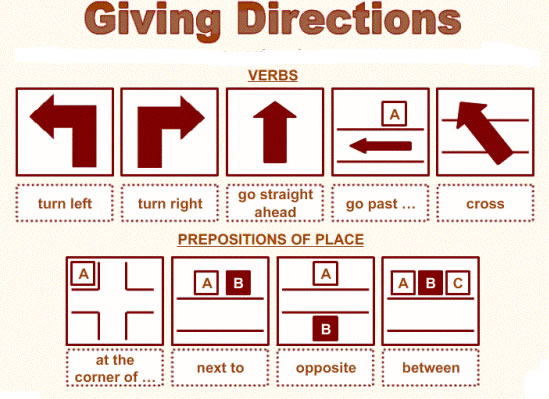
GIVING AND ASKING DIRECTIONS IN ENGLISH (DAR Y PREGUNTAR DIRECCIONES EN INGLÉS). 5º Y 6º PRIMARIA


Asking directions – Preguntar direcciones

excuse me, could you tell me how to get to ...? ¿perdón, me podría decir como llegar a ...?
the bus station la estación de autobuses
 
excuse me, do you know where the ... is? ¿perdón, sabe usted donde esta ...?
post office la oficina de correos
 
I'm sorry, I don't know lo siento, no lo sé
sorry, I'm not from around here lo siento, no soy de por aquí
 
I'm looking for ... estoy buscando ...
this address esta dirección
 
are we on the right road for ...? ¿estamos en la carretera correcta para ir a ...?
Brighton Brighton    
is this the right way for ...? ¿es este el camino correcto para ir a ...?
Ipswich Ipswich
 
do you have a map? ¿tiene usted un mapa?
can you show me on the map? ¿me lo puede indicar en el mapa?

Giving directions – Dar direcciones

it's this way está por aquí
it's that way está por allí
 
you're going the wrong way está yendo por un camino equivocado
you're going in the wrong direction está yendo en la dirección equivocada
 
take this road siga esta carretera
go down there baje hacia allí
 
take the first on the left tome la primera a la izquierda
take the second on the right tome la segunda a la derecha
turn right at the crossroads gire a la derecha en el cruce
 
continue straight ahead for about a mile continúe recto durante aproximadamente una milla (una milla es aproximadamente 1,6 kilómetros)
 
continue past the fire station continue más allá de la estación de bomberos
 
you'll pass a supermarket on your left pasará un supermercado a su izquierda
 
keep going for another ... siga igual durante ... más
hundred yards cien yardas (unos 91 metros)
two hundred metres doscientos metros
half mile media milla (unos 800 metros)
kilometre un kilómetro
 
it'll be ... lo encontrará a ...
on your left su izquierda
on your right su derecha
straight ahead of you justo delante suya

How far is it? – ¿A qué distancia está?

how far is it? ¿a qué distancia está?
 
how far is it to ...? ¿a qué distancia está ...?
the airport el aeropuerto
 
how far is it to ... from here? ¿a qué distancia está ... de aquí?
the beach la playa
 
is it far? ¿está lejos?
is it a long way? ¿es un largo camino?
 
it's ... ...
not far no, no está muy lejos
quite close está bastante cerca
quite a long way es un camino bastante largo
a long way on foot es un camino largo a pie
a long way to walk es un camino muy largo para ir caminando
about a mile from here está a alrededor de una milla de aquí (una milla son aproximadamente 1,6 kilómetros)

Giving directions to drivers – Dar direcciones a conductores

follow the signs for ... sigue las señales hacia ...
the town centre el centro de la ciudad
Birmingham Birmingham
 
continue straight on past some traffic lights continue recto tras pasar varios semáforos
at the second set of traffic lights, turn left en el segundo semáforo, gire a la izquierda
 
go over the roundabout siga recto en la glorieta
take the second exit at the roundabout tome la segunda salida de la glorieta
turn right at the T-junction gire a la izquierda en la intersección
 
go under the bridge vaya por debajo del puente
go over the bridge vaya por encima del puente
 
you'll cross some railway lines cruzará algunas vías de ferrocarril

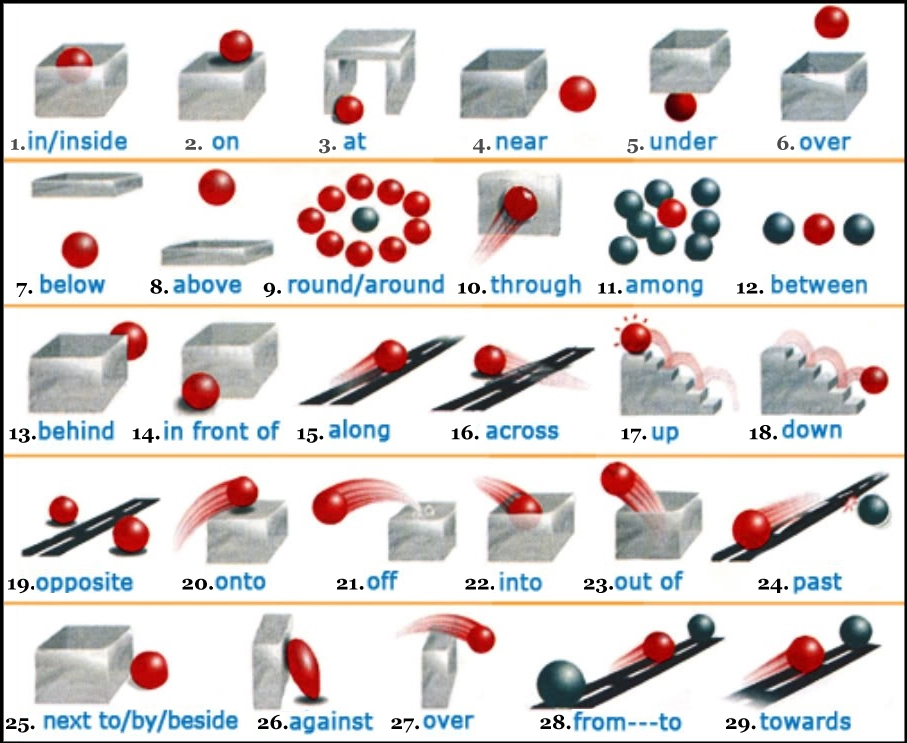
PREPOSITIONS

PREPOSITION
OF
PLACE


domingo, 9 de marzo de 2014

VERBO TO CAN (PRIMARY)

THE VERB TO CAN


Los verbos modales son ciertos verbos que son invariables, es decir, que se forman igual con todas los pronombres personales.

Yo sé (puedo) nadar.


¿PARA QUÉ SIRVE?


El verbo modal 'can' se utiliza para expresar habilidad y para expresar permiso (posibilidad). Se suele traducir como 'poder', aunque en algunos casos se traduce como 'saber'.


¿CÓMO SE FORMA?


Los verbos modales son iguales para todas las personas y siempre van seguidos de un infinitivo (sin ‘to’). Además, no necesitan auxiliar para formar la negativa y la interrogativa.

AFIRMATIVA: Para formar la afirmativa utilizamos el verbo modal seguido de otro verbo sin la preposición 'to'.

sujeto + can + verbo principal + resto de frase

Yo sé nadar.
I can swim.
(habilidad)

Puedes coger una galleta.
You can take a biscuit.
(posibilidad)

* Aunque en español usemos el verbo ‘saber’ en inglés debemos utilizar el modal ‘can’ para expresar habilidad.


NEGATIVA: Para negar un verbo modal no necesitamos de ningún auxiliar. Para hacerlo añadimos la partícula de negación ‘not’.

sujeto + can't + verbo principal + resto de frase

No puedes ir al cine.
You can't go to the cinema.

* Recuerda que podemos encontrar también la forma completa 'can not' o 'cannot' con el mismo significado.


INTERROGATIVA: Para preguntar con un verbo modal invertimos el verbo modal con el sujeto.

can + sujeto + verbo principal + resto de frase...?

¿Puedes venir aquí?
Can you come here?


RESPUESTAS CORTAS: Para responder con respuestas cortas utilizamos el verbo modal solamente.

¿Can you come here?
Yes, I can / No, I can’t

* Utilizamos las formas completas para las respuestas cortas afirmativas. En las respuestas cortas negativas utilizaremos las formas contraídas.


¿QUÉ DEBO RECORDAR?


Los aspectos importantes que debemos tener en cuenta son los siguientes:

  • Usamos la misma forma para todas las personas. No usamos una forma diferente en la tercera persona del singular.

  • Este verbo a veces se traduce como 'saber', ya que uno de sus significados es para indicar habilidad.

  • Los modales siempre van seguidos de otro verbo sin la preposición 'to'.


AFIRMATIVA

CanTraducción

I can Yo puedo

You can Tú puedes


He can Él puede

She can Ella puede

It can Eso puede

We can Nosotros podemos

You can Vosotros podéis

They can Ellos pueden


INTERROGATIVA

Can Traducción

Can I? ¿Puedo yo?

Can you? ¿Puedes tú?

Can he? ¿Puede él?

Can she? ¿Puede ella?

Can it? ¿Puede eso?

Can we? ¿Podemos nosotros?

Can you? ¿Podeís vosotros?

Can they? ¿Pueden ellos?


NEGATIVA

Can Traducción

I can't Yo no puedo

You can't no puedes
 
He can't Él no puede

She can't Ella no puede

It can't Eso no puede

We can't Nosotros no podemos

You can't Vosotros no podéis

They can't Ellos no pueden


viernes, 7 de marzo de 2014

WAYS OF COMMUNICATION (MEDIOS DE COMUNICACIÓN)

COMMUNICATION

 TELEVISION/TV

NEWSPAPER

COMPUTER

RADIO


LETTER


TELEPHONE


MOBILE

TALES (CUENTOS)

TALES

                                                                            BEAUTY (BELLE)


THE BEAST


ALADDIN


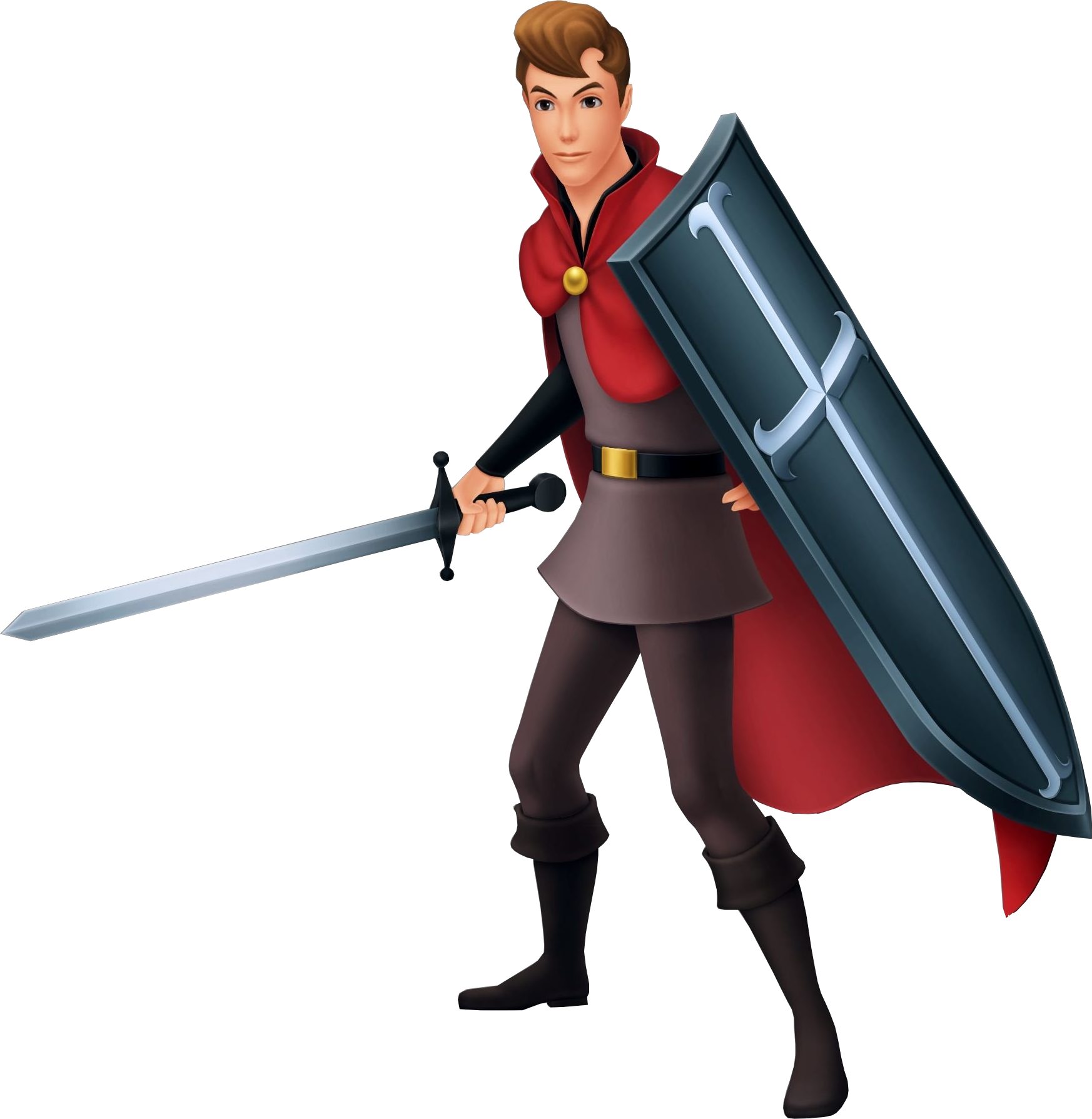
PRINCE PHILLIP


SLEEPING BEAUTY


SNOW WHITE


CINDERELLA

WILD ANIMALS (ANIMALES SALVAJES)

WILD ANIMALS


sábado, 22 de febrero de 2014

PRINCE AND PRINCESS (principe y princesa)

PRINCE AND PRINCESS


PRINCE


PRINCESS

KING

 QUEEN

CASTLE


PALACE


VOCABULARY

KING: rey
QUEEN: reina
PRINCE:  príncipe
PRINCESS: princesa
CASTLE: castillo
PALACE: palacio


jueves, 20 de febrero de 2014

JOLLY PHONICS

JOLLY PHONICS


Jolly phonics es un sistema para aprender las letras y los sonidos en inglés,y que ya se aplica en edades muy tempranas. Aqui dejo un video con canciones muy cortitas para aprender los distintos sonidos ingleses.


jueves, 13 de febrero de 2014

MATT´S GREATEST HITS (grandes éxitos)

GREATEST HITS

Aquí hemos recopilado algunas de las canciones que cantamos en la asamblea en clase de inglés en Educación Infantil. Matt nos acompaña en muchas de las canciones que aprendemos en la asamblea. Varias de las canciones que mostramos a continuación las hemos cantado en clase. Otras aún no las hemos visto, pero se irán viendo más adelante. En negrita hemos señalado qué canciones hemos cantado en el aula.


Song List:
Hello Song
ABC Song
Let's Count 1 to 10

Colors Song
Head, Shoulders, Knees and Toes
Feelings Song: I'm Happy
It's a Dog
Jump Stop Song

My Body: Body Parts Song
This Way: Animal Song
I Had a Dream Last Night
Twinkle, Twinkle, Little Star
Goodbye, School!


1. ABC Song
2. Amazing Fish Song
3. The Letter F Song
4. Blue Car Color Song
5. Twinkle, Twinkle, Little Star (Live in the Studio)
6. Baa, Baa, Black Sheep
7. Counting Fruit Song
8. Happy Banana Song
9. Let's Count to 100
10. I'm a Big Kid (Food Song)
11. Goodbye Song


1. Hello Song (Intro)
2. I See a Ball Color Song
3. If You're Happy And You Know it!
4. Blue Car Color Song
5. Balloon Color Song
6. Yes, No, Please, Thank You
7. The Color Shirt Song
8. I Like Red (Live in the Studio)
9. Colorful ABC Song
10. On, In, Under Song
11. Goodbye Song


1. Incy Wincy Spider
2. Little Flyers Counting 1-10

3. Twinkle, Twinkle, Little Star
4. Little Flyers ABC Song

5. Tortoise and Hare Song
6. ABC Song Mission in Space: ABCDE
7. ABC Aliens Phonics Lesson: ABCDE
8. Chinese Zodiac
9. Little Flyers Counting 11-20
10. Addition Plus One Song
11. Wheels on the Bus 


Songs:
1. Monkey Dance Count 1 to 4
2. Count Objects 1 to 5
3. Let's Count 1 to 10
4. Let's Count to 20

5. Let's Count to 100
IRREGULAR VERBS IN ENGLISH (VERBOS IRREGULARES EN INGLÉS). 5º Y 6º PRIMARIA

IRREGULAR VERBS


Lista de los verbos irregulares en inglés

INFINITIVO
PASADO SIMPLE
PARTICIPIO PASADO

TRADUCCIÓN

Arise Arose Arisen Surgir, Levantarse
Awake Awoke Awoken Despertarse
Be/ am, are, is Was / Were Been Ser / Estar
Bear Bore Borne / Born Soportar, dar a luz
Beat Beat Beaten Golpear
Become Became Become Llegar a Ser
Begin Began Begun Empezar
Bend Bent Bent Doblar
Bet Bet Bet Apostar
Bind Bound Bound Atar, encuadernar
Bid Bid Bid Pujar
Bite Bit Bitten Morder
Bleed Bled Bled Sangrar
Blow Blew Blown Soplar
Break Broke Broken Romper
Breed Bred Bred Criar
Bring Brought Brought Traer Llevar
Broadcast Broadcast Broadcast Radiar
Build Built Built Edificar
Burn Burnt /Burned Burnt / Burned Quemar
Burst Burst Burst Reventar
Buy Bought Bought Comprar
Cast Cast Cast Arrojar
Catch Caught Caught Coger
Come Came Come Venir
Cost Cost Cost Costar
Cut Cut Cut Cortar
Choose Chose Chosen Elegir
Cling Clung Clung Agarrarse
Creep Crept Crept Arrastrarse
Deal Dealt Dealt Tratar
Dig Dug Dug Cavar
Do (Does) Did Done Hacer
Draw Drew Drawn Dibujar
Dream Dreamt / Dreamed Dreamt / Dreamed Soñar
Drink Drank Drunk Beber
Drive Drove Driven Conducir
Eat Ate Eaten Comer
Fall Fell Fallen Caer
Feed Fed Fed Alimentar
Feel Felt Felt Sentir
Fight Fought Fought Luchar
Find Found Found Encontrar
Flee Fled Fled Huir
Fly Flew Flown Volar
Forbid Forbade Forbidden Prohibir
Forget Forgot Forgotten Olvidar
Forgive Forgave Forgiven Perdonar
Freeze Froze Frozen Helar
Get Got Got / Gotten Obtener
Give Gave Given Dar
Go (Goes) Went Gone Ir
Grow Grew Grown Crecer
Grind Ground Ground Moler
Hang Hung Hung Colgar
Have Had Had Haber o Tener
Hear Heard Heard Oir
Hide Hid Hidden Ocultar
Hit Hit Hit Golpear
Hold Held Held Agarrar Celebrar
Hurt Hurt Hurt Herir
Keep Kept Kept Conservar
Know Knew Known Saber Conocer
Kneel Knelt Knelt Arrodillarse
Knit Knit Knit Hacer punto
Lay Laid Laid Poner
Lead Led Led Conducir
Lean Leant Leant Apoyarse
Leap Leapt Leapt Brincar
Learn Learnt / Learned Learnt / Learned Aprender
Leave Left Left Dejar
Lend Lent Lent Prestar
Let Let Let Permitir
Lie Lay Lain Echarse
Light Lit Lit Encender
Lose Lost Lost Perder
Make Made Made Hacer
Mean Meant Meant Significar
Meet Met Met Encontrar
Mistake Mistook Mistaken Equivocar
Overcome Overcame Overcome Vencer
Pay Paid Paid Pagar
Put Put Put Poner
Read Read Read Leer
Ride Rode Ridden Montar
Ring Rang Rung Llamar
Rise Rose Risen Levantarse
Run Ran Run Correr
Say Said Said Decir
See Saw Seen Ver
Seek Sought Sought Buscar
Sell Sold Sold Vender
Send Sent Sent Enviar
Set Set Set Poner(se)
Sew Sewed Sewed / Sewn Coser
Shake Shook Shaken Sacudir
Shear Shore Shorn Esquilar
Shine Shone Shone Brillar
Shoot Shot Shot Disparar
Show Showed Shown Mostrar
Shrink Shrank Shrunk Encogerse
Shut Shut Shut Cerrar
Sing Sang Sung Cantar
Sink Sank Sunk Hundir
Sit Sat Sat Sentarse
Sleep Slept Slept Dormir
Slide Slid Slid Resbalar
Smell Smelt Smelt Oler
Sow Sowed Sowed / Sown Sembrar
Speak Spoke Spoken Hablar
Speed Sped Sped Acelerar
Spell Spelt Spelt Deletrear
Spend Spent Spent Gastar
Spill Spilt / Spilled Spilt / Spilled Derramar
Spin Spun Spun Hilar
Spit Spat Spat Escupir
Split Split Split Hender / partir / rajar
Spoil Spoilt / Spoiled Spoilt / Spoiled Estropear
Spread Spread Spread Extender
Spring Sprang Sprung Saltar
Stand Stood Stood Estar en pie
Steal Stole Stolen Robar
Stick Stuck Stuck Pegar Engomar
Sting Stung Stung Picar
Stink Stank/Stunk Stunk Apestar
Stride Strode Stridden Dar zancadas
Strike Struck Struck Golpear
Swear Swore Sworn Jurar
Sweat Sweat Sweat Sudar
Sweep Swept Swept Barrer
Swell Swelled Swollen Hinchar
Swim Swam Swum Nadar
Swing Swung Swung Columpiarse
Take Took Taken Coger
Teach Taught Taught Enseñar
Tear Tore Torn Rasgar
Tell Told Told Decir
Think Thought Thought Pensar
Throw Threw Thrown Arrojar Tirar
Thrust Thrust Thrust Introducir
Tread Trod Trodden Pisar, hollar
Understand Understood Understood Entender
Undergo Underwent Undergone Sufrir
Undertake Undertook Undertaken Emprender
Wake Woke Woken Despertarse
Wear Wore Worn Llevar puesto
Weave Wove Woven Tejer
Weep Wept Wept Llorar
Wet Wet Wet Mojar
Win Won Won Ganar
Wind Wound Wound Enrollar
Withdraw Withdrew Withdrawn Retirarse
Wring Wrung Wrung Torcer
Write Wrote Written Escribir